
Call us now :
 Send Inquiry

 Send Inquiry
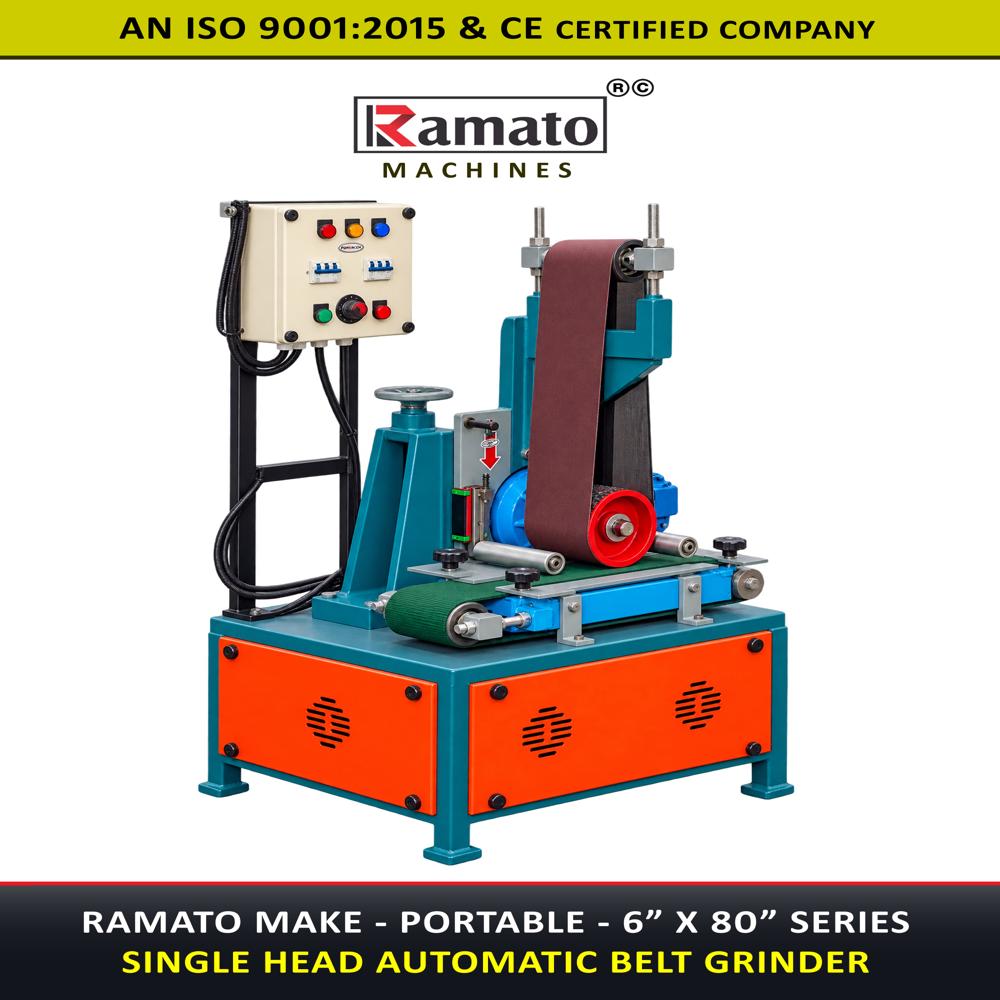
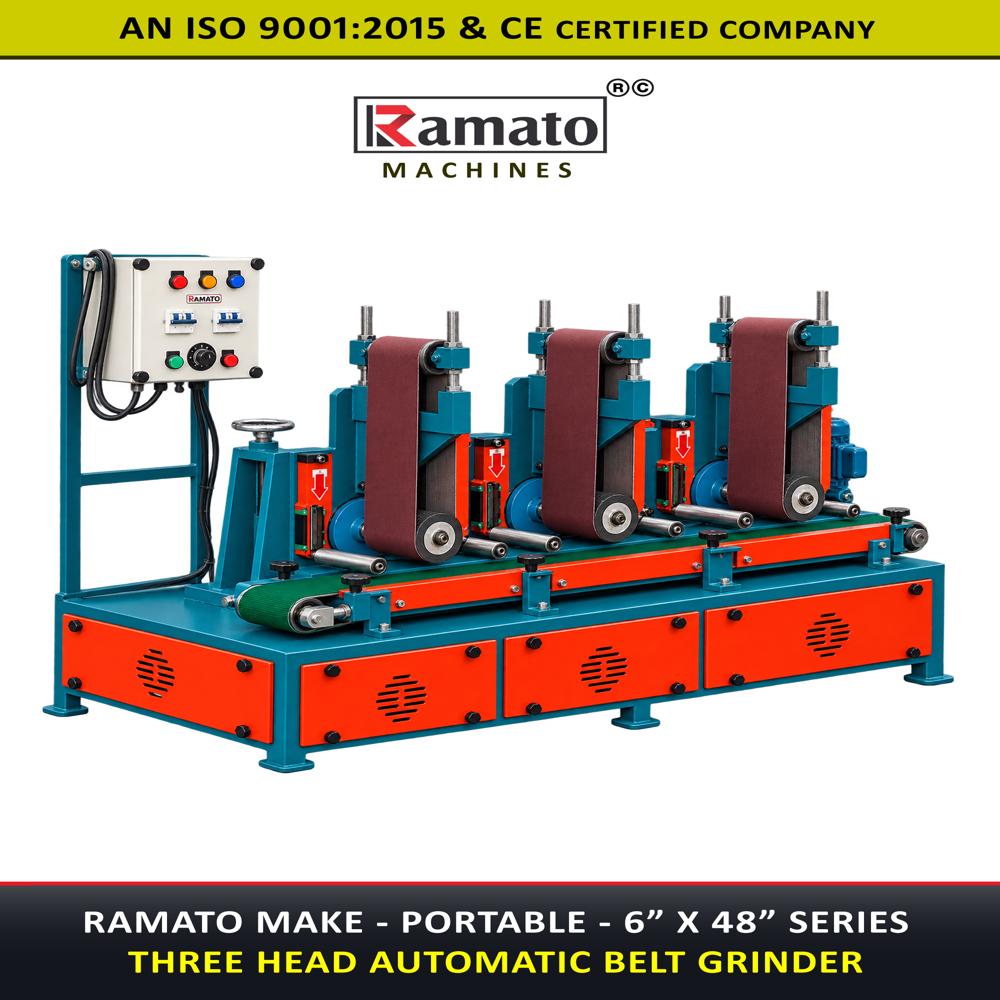
Industrial Belt Sander
Price 15000.0 INR/ Unit
MOQ : 1 Unit
Industrial Belt Sander Specification
- Product Type
- Belt Grinder
- General Use
- Heavy Duty Industrial Grinding and Finishing
- Material
- MS (Mild Steel) Fabricated
- Type
- Industrial Belt Sander
- Capacity
- Heavy Duty
- Computerized
- No
- Automatic
- No
- CNC Or Not
- No
- Control System
- Manual Control
- Grinding Wheel Size
- Not Applicable (Belt Type)
- Grinding Length
- 1800 mm
- Dimension (L*W*H)
- 300 x 1800 mm belt (12 x 72)
- Feature
- ISO 9001:2015 & CE Certified
- Color
- Blue, Orange
- Frame Construction
- MS Fabricated
- Operator Control Panel
- Push Button Switch
- Drive Type
- Belt Driven Motor
- Machine Condition
- New
- Belt Size
- 12" x 72" (300 x 1800 mm)
- Motor Mounting
- Direct Mount
- Safety
- Emergency Stop Switch Provided
- Application
- Sheet Metal Grinding, Finishing, Deburring
- Installation Type
- Floor Mounted
About Industrial Belt Sander
Industrial Belt Sander manufacturer in Rajkot, Gujarat, India. Rajlaxmi Machine Tools offers Ramato, HMP & Roent heavy-duty belt sanders for industrial metal sanding, grinding and finishing.Advanced Construction for Industrial Needs
Built with a sturdy mild steel frame, this industrial belt sander is engineered to withstand rigorous, heavy-duty use in metalworking facilities. Its floor-mounted design and direct-mount motor offer optimal stability and vibration reduction, ensuring a long service lifetime in demanding environments.
Enhanced Safety and User Control
Operator safety is prioritized through an emergency stop switch, while the user-friendly push button control panel allows precise manual adjustments. The absence of computerized controls means operators maintain full, intuitive command, reducing training time and simplifying maintenance.
FAQ's of Industrial Belt Sander:
Q: How is the Industrial Belt Sander installed and what type of workspace is it suited for?
A: The sander is designed for floor mounting, providing a stable and secure setup for heavy-duty operations. It's best suited for industrial workshops handling sheet metal grinding and finishing applications.Q: What materials and components make up the sander's construction?
A: The frame is fabricated from high-quality mild steel (MS), ensuring excellent strength and durability under continuous industrial use.Q: When should I use this belt sander instead of a grinding wheel machine?
A: This belt sander excels in large-surface area grinding, finishing, and deburring of sheet metal, where a belt-type approach yields more uniform finishes compared to grinding wheels. It is especially recommended for heavy-duty work where belt sanding is more efficient.Q: Where are the safety switches located and how do they protect the operator?
A: The emergency stop switch is conveniently positioned near the operator control panel, allowing immediate shutdown in case of an emergency, thus ensuring operator safety during heavy-duty operations.Q: What is the process for changing the sanding belt on this machine?
A: The sander incorporates a straightforward belt change process, generally requiring manual release of tension, removal of the worn belt, placement of the new belt, and re-tensioning. Details are available in the operation manual supplied.Q: How does the belt-driven, direct-mount motor benefit industrial operations?
A: The belt-driven, direct-mount setup ensures efficient power transmission, minimizing energy loss, reducing maintenance needs, and delivering consistent belt speed for superior grinding and finishing results.Q: What are the benefits of manual control over computerized operation for this belt sander?
A: Manual control not only simplifies machine operation and reduces reliance on technical staff, but also offers immediate response to operator input, making it reliable and easier to maintain in demanding industrial environments.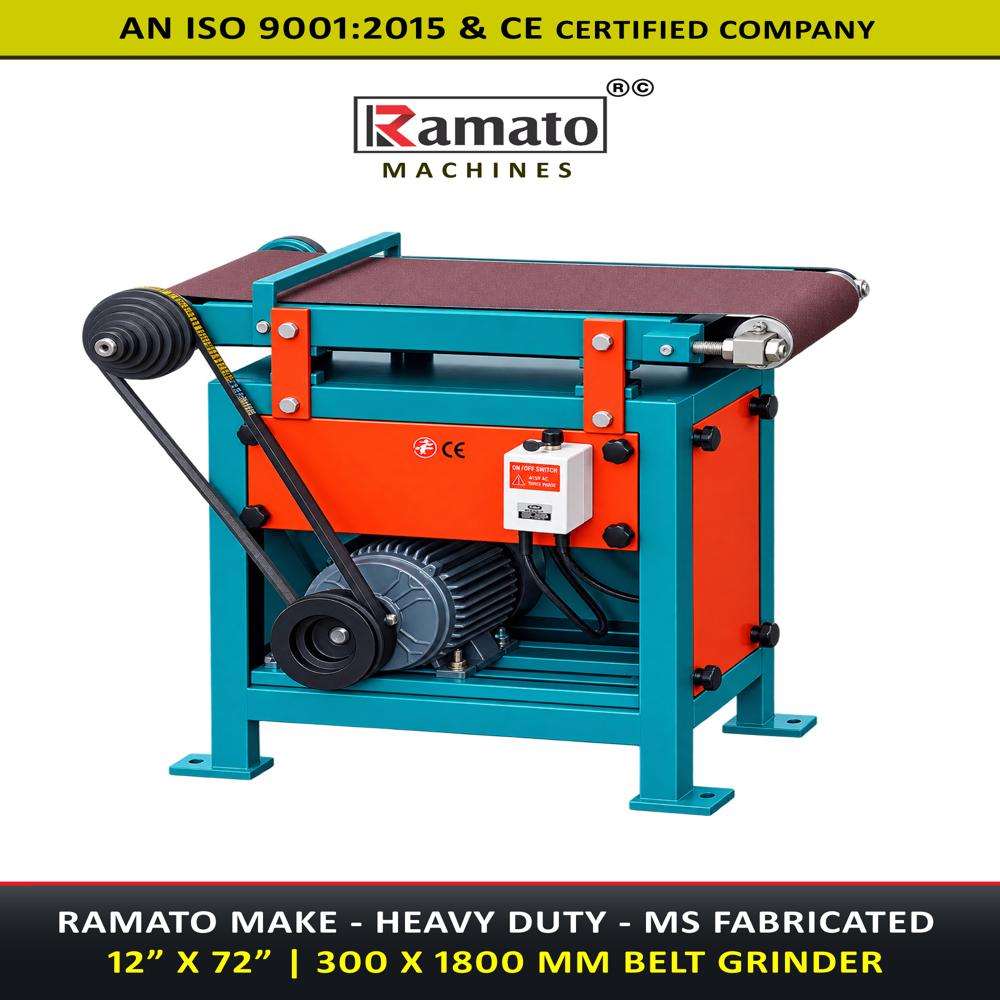
Tell us about your requirement

Price:
Quantity
Select Unit
- 50
- 100
- 200
- 250
- 500
- 1000+
Additional detail
Mobile number
Email

More Products in Belt Grinding Machine Category
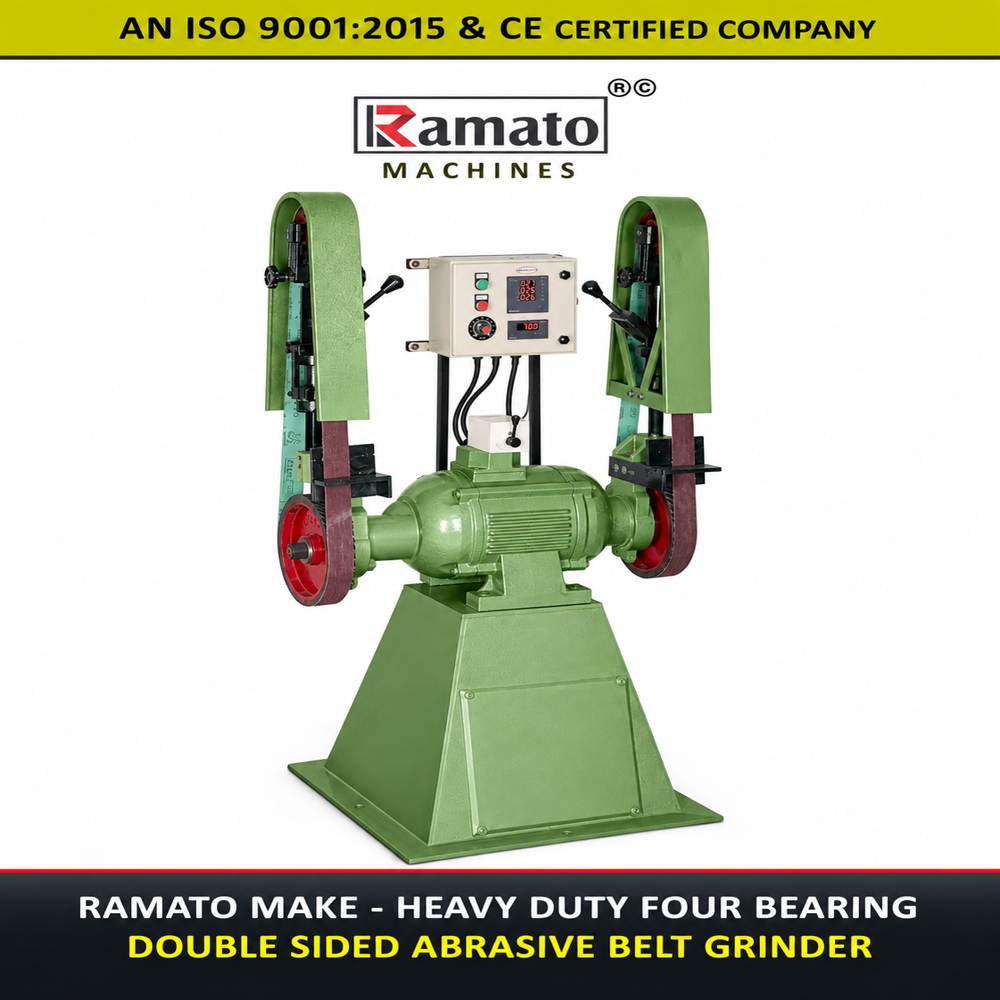
3 HP Belt Grinder Machine
Price 35000.0 INR / Piece
Minimum Order Quantity : 1 Piece
Product Type : Double Sided Abrasive Belt Grinder
Material : Other, Cast Iron Body, Heavy Duty Construction
General Use : Heavy Duty Belt Grinding for Surface Finishing and Deburring
Color : Other, Industrial Green
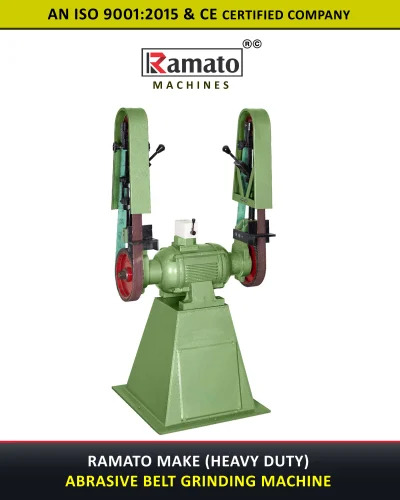
Metal Grinding Belt Machine
Price 35000 INR / Unit
Minimum Order Quantity : 1 Unit
Product Type : Abrasive Belt Grinding Machine
Material : Other, Steel Fabricated
General Use : Surface Finishing
Color : Green
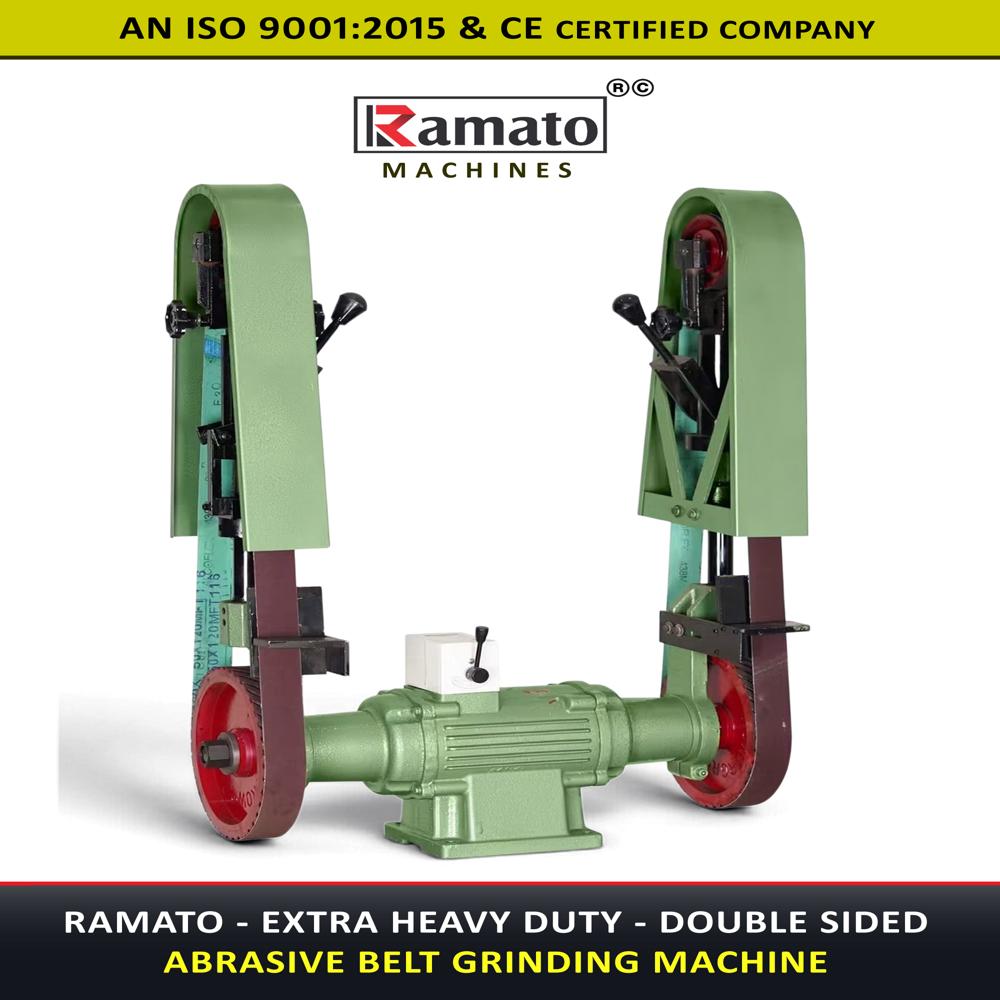
Abrasive Belt Grinder
Price 35000.0 INR
Minimum Order Quantity : 1
Product Type : Abrasive Belt Grinder
Material : Other, Cast Iron Body, Steel Components
General Use : Heavy Duty Metal Grinding and Finishing
Color : Other, Green with Red Wheel Hubs
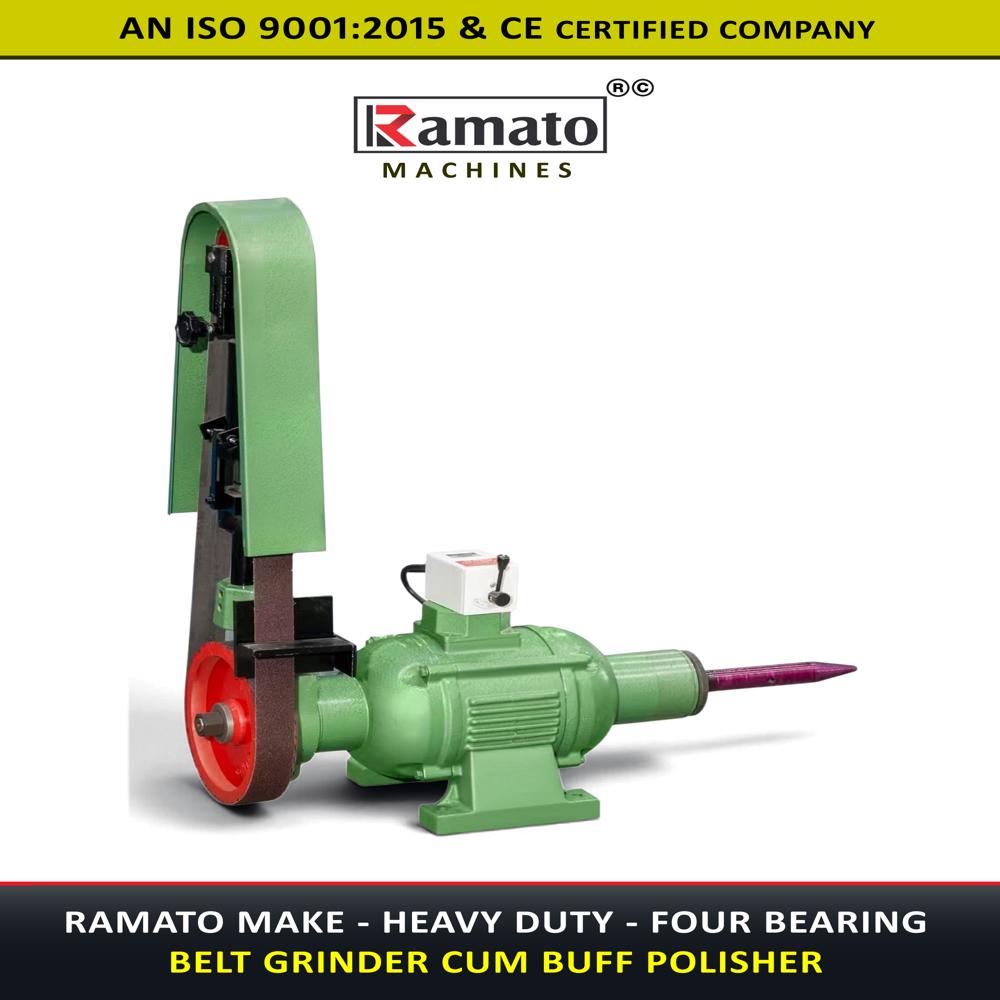
Single Ended Belt Grinding Machine
Price 30000.0 INR
Minimum Order Quantity : 1
Product Type : Single Ended Belt Grinding Machine
Material : Other, Cast Iron/Steel body
General Use : Grinding and polishing metal components
Color : Other, Green (customized option available)

 Send Inquiry
Our Products
- Belt Grinding Machine
- Ramato Machine Tools
- Bench And Pedestal Grinders
- Pillar Drilling Machines
- Cutoff Machine
- Pillar Drill Machine
- Belt Grinder
- Drilling Machine
- Belt Disc Sander
- Bench Grinder
- Drilling Milling Tapping Machines
- Pedestal Grinder
- Coolant Pump
- Coil Winding Machine
- Grinding Machine
- Cutting Machine
- Air Blower
- Automatic Belt Grinder
- Polishing Machine
- Bench And Pedestal Polishers
- Welding Machine


Rajlaxmi Estate, Near Sabras Godown, Near Maldhari Railway Crossing, Gondal Chokdi,
Kothariya,Rajkot - 360004, Gujarat, India

Mr Rajlaxmi Machine Tools
(Proprietor)
Mobile :+919016903132, +919426526762
 Send Inquiry
 Call Me Free

Developed and Managed by Infocom Network Private Limited.
